
Using an emulator can be exciting, but it can also be frustrating when a game or app does not work as expected. Many users install an emulator thinking everything will run perfectly, only to face crashes, slow performance, or broken graphics. This is exactly why an Emulator Compatibility List matters so much.
This guide explains emulator compatibility in a simple, human way. Whether you are a gamer reliving old memories or a developer testing apps, this article will help you understand what works, what doesn’t, and why.
What an Emulator Compatibility List Really Means
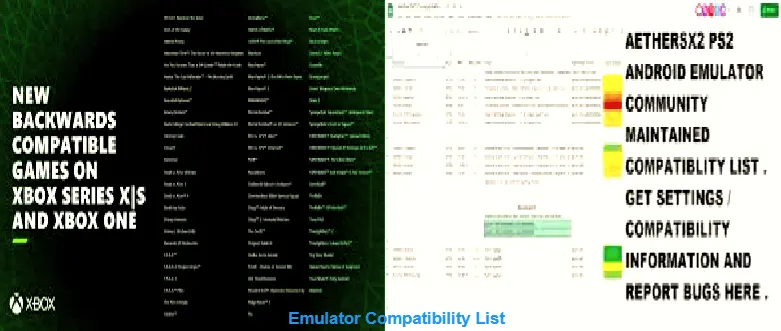
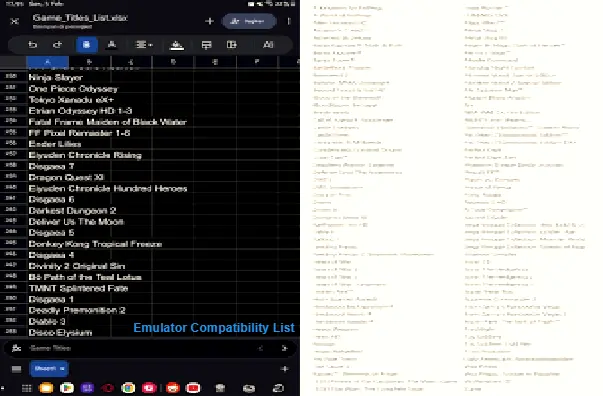
An emulator compatibility list is basically a user-friendly report that shows how well games or apps run on a specific emulator. Instead of guessing, the list tells you the real situation before you even start.
It usually shows whether a game:
- Runs perfectly
- Works but has small issues
- Starts but breaks during use
- Does not run at all
This saves time, storage space, and a lot of unnecessary frustration.
Why Compatibility Is So Important
Not all emulators are built the same way. Some focus on speed, while others focus on accuracy. Because of this, one game may work smoothly on one emulator but perform poorly on another.
Checking compatibility helps you:
- Avoid crashes and freezing.
- Get smoother gameplay
- Choose the right emulator for your device.
- Enjoy games without constant fixes.
- Save effort and data.
In short, it helps you enjoy emulation instead of fighting with it.
Different Emulators, Different Results
Every emulator has its own strengths and limitations.
Console Emulators
These are popular for classic gaming. Some older games run perfectly, while others may have sound or visual issues due to complex hardware design.
Mobile App Emulators
Often used for testing Android apps. Compatibility depends on system power, app requirements, and emulator optimization.
Old System Emulators
These allow users to run older software on modern systems. Results can vary based on how accurately the emulator copies the original environment.
What Affects Emulator Compatibility
Several things decide whether something will run smoothly or not.
Your Device Hardware
A faster processor and enough memory make a huge difference. Weak systems may struggle even with compatible titles.
Emulator Updates
New versions often improve performance and fix known issues. Running outdated software can cause unnecessary problems.
Game or App Design
Some games use special features that are harder to emulate, leading to glitches or slowdowns.
Operating System
Compatibility can change depending on whether you are using Windows, macOS, Linux, or mobile devices.
Emulator Settings
Wrong settings can break performance. Small adjustments can often fix major issues.
Understanding Compatibility Status
Compatibility lists usually use simple labels. Here’s what they really mean in real life:
- Fully Playable: You can enjoy it without issues.
- Playable: Small problems, but nothing serious.
- Runs with Issues: Expect bugs or performance drops.
- Starts Only: Opens but does not function properly.
- Not Supported: Does not work at all.
Reading these details helps you set realistic expectations.
Why Compatibility Lists Are Helpful
Using a compatibility list gives you confidence. You know what to expect before downloading or setting things up.
Benefits include:
- Less troubleshooting
- Better performance
- Fewer crashes
- Smarter emulator choices
- Improved overall experience
It’s like checking reviews before buying a product, simple but powerful.
Common Problems Users Face
Even compatible games can have small issues, such as:
- Lag or slow speed
- Audio glitches
- Screen flickering
- Control delays
Most of these problems can be fixed by changing settings or updating the emulator.
Easy Tips to Improve Compatibility
If something isn’t working properly, try these simple steps:
- Update your emulator
- Adjust graphics or performance settings.
- Close unnecessary background apps
- Make sure your device meets basic requirements.
- Test a different emulator if needed.
These small actions often solve big problems.
The Future of Emulator Compatibility
Emulators continue to improve every year. Developers are constantly working to increase accuracy and performance. Many games that struggled before are now fully playable thanks to updates.
Last words
An Emulator Compatibility List is not just technical data — it’s a guide that helps you enjoy emulation the right way. It saves time, reduces frustration, and helps you get the best experience possible.
Before starting any emulator, always check compatibility. It’s a small step that makes a big difference. To download PS2 Emulator and more, visit our website.